Home › Forums › China Tech Nexus: AI, EV & Robotics › AI Large Models Elevate Lunar New Year: Bridging Tradition and Tomorrow’s Experiences
- This topic has 0 replies, 1 voice, and was last updated 1 week, 5 days ago by TheEngineeringCore.
-
AuthorPosts
-
February 22, 2026 at 12:40 pm #129TheEngineeringCoreKeymaster
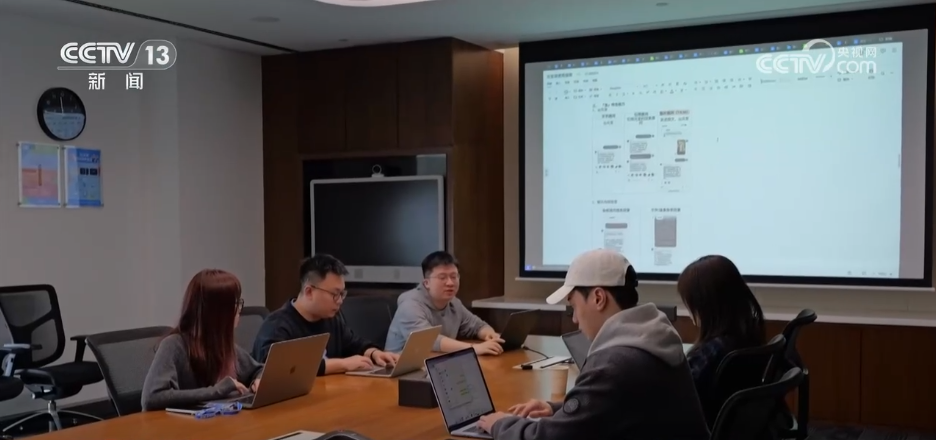
AI-Powered Spring Festival: A Glimpse into China’s Distinctive Tech Trajectory
Hey everyone,
Just caught some fascinating news out of China that perfectly encapsulates the unique trajectory of AI adoption there, especially when we compare it to what we’re seeing in the West. It centers around the recent Spring Festival (Chinese New Year) and how AI, specifically large language models (LLMs), has been seamlessly integrated into traditional customs.
The headline, roughly translated, talks about “traditional New Year customs colliding with cutting-edge technology,” with AI large models updating and upgrading to add novel experiences. And the details are truly eye-opening.
China’s Rapid Advancements and Unique Advantages
According to the reports, multiple AI large models have rolled out features like:
- AI ticket and restaurant booking: Making holiday travel and dining significantly smoother.
- AI New Year greetings: A creative twist on a deeply traditional custom, likely personalized and interactive.
- Immersive experiences: The ancient water town of Wuzhen, for instance, launched an AI light and shadow show, blending millennia-old aesthetics with cutting-edge tech for tourists. This idea of experiencing “tech warmth” in a historic setting is quite evocative.
What really jumps out from the data is the sheer scale and reach of this integration. AI-related orders during the Spring Festival surged, but the most astonishing detail is that 3rd and 4th-tier cities saw growth exceeding 1st-tier cities by a whopping 782 times! This isn’t just about urban tech hubs; it’s about AI actively bridging the digital divide and permeating everyday life across a vast and diverse population.
This rapid, culturally integrated deployment highlights several unique advantages China possesses:
- Vast Domestic Market: An unparalleled testing ground for new technologies, allowing for rapid iteration and scaling.
- Mobile-First Ecosystem: Many lower-tier cities have leapfrogged traditional internet infrastructure directly to mobile, making them ripe for AI applications accessible via smartphones.
- High Consumer Willingness to Adopt: Chinese consumers often exhibit a high degree of openness to new digital services, especially those that offer convenience.
- Top-Down Strategy & Synergy: While not explicitly stated in the news, this kind of widespread, rapid deployment often hints at a strong synergy between government initiatives and private sector innovation, pushing for national tech adoption.
A Comparative Lens: China vs. The West
When we look at Western counterparts, particularly the US and Europe, we see a different pattern of AI development and adoption:
- Foundational Research & Enterprise AI: The US, especially, is a powerhouse in fundamental AI research, large model development (think OpenAI, Google DeepMind), and sophisticated enterprise-level AI solutions for industries like finance, healthcare, and defense.
- Consumer AI Focus: While consumer AI exists (voice assistants, personalized recommendations), its integration into traditional cultural events on such a massive and immediate scale, especially across different economic tiers, isn’t as pronounced. We don’t often see “AI Thanksgiving dinner booking” or “AI Christmas carols” rolled out with the same level of pervasive national integration.
- Deployment Speed & Scale: Western AI adoption often follows a more gradual, market-driven approach, potentially leading to slower permeation into non-tech-savvy demographics or regions compared to the accelerated pace we’re witnessing in China. The “digital divide” in the West often persists, with advanced tech sometimes deepening disparities rather than bridging them as rapidly.
- Data Availability & Regulatory Environment: China’s vast user base provides immense data for AI training, which, combined with a different regulatory environment (compared to GDPR in Europe or evolving privacy laws in the US), can enable quicker deployment of data-intensive AI applications.
In essence, while the West might lead in the theoretical frontiers and specialized applications of AI, China appears to be leading in the practical, widespread, and culturally embedded adoption of AI for the masses, particularly by leveraging its unique social and market structures.
Pros and Cons of China’s Approach
This rapid integration brings both significant advantages and potential challenges:
Pros:
- Enhanced User Experience: AI features like smart booking and personalized greetings make traditional events more convenient and engaging.
- Inclusive Growth: The remarkable uptake in 3rd and 4th-tier cities demonstrates AI’s potential to empower more people and reduce regional digital disparities.
- Cultural Preservation & Innovation: Blending AI with ancient traditions can create novel ways to experience and preserve culture, making it relevant for new generations.
- Accelerated AI Development: Widespread real-world application provides invaluable data and feedback for rapid improvement and innovation of AI models.
Cons:
- Data Privacy and Security: Rapid and extensive data collection for these AI services raises inevitable concerns about how personal data is managed, stored, and protected.
- Ethical Implications: The use of AI for greetings, especially as the tech matures (e.g., deepfakes), could lead to questions about authenticity and human connection.
- Algorithmic Bias: With such widespread deployment, ensuring the AI models are fair and do not perpetuate or create new biases becomes a critical, large-scale challenge.
- Over-Reliance and Skill Erosion: As AI takes over more daily tasks, there’s a risk of diminishing traditional skills or fostering over-reliance on technology for basic functions.
China’s approach to AI deployment, as exemplified by the Spring Festival news, offers a compelling vision of a future where AI is not just a tool for efficiency or specialized tasks, but an integral part of everyday life and cultural expression. It challenges us to think about how different societies integrate powerful technologies and what the ultimate implications might be.
What are your thoughts on this? Do you think Western countries could or should adopt a similar strategy for integrating AI into cultural events? What are the biggest challenges you foresee for this rapid AI deployment model?
🔗 Source / Original Article: https://news.cctv.com/2026/02/22/ARTIlbenkWToGsVEwrSzwRmP260222.shtml
-
AuthorPosts
- You must be logged in to reply to this topic.